

Spider Veins
Spider veins are small, thin red, blue, or purple veins that appear just under the skin, often on the legs. They are very common and usually harmless, but they can sometimes point to an underlying vein problem.
What are spider veins?
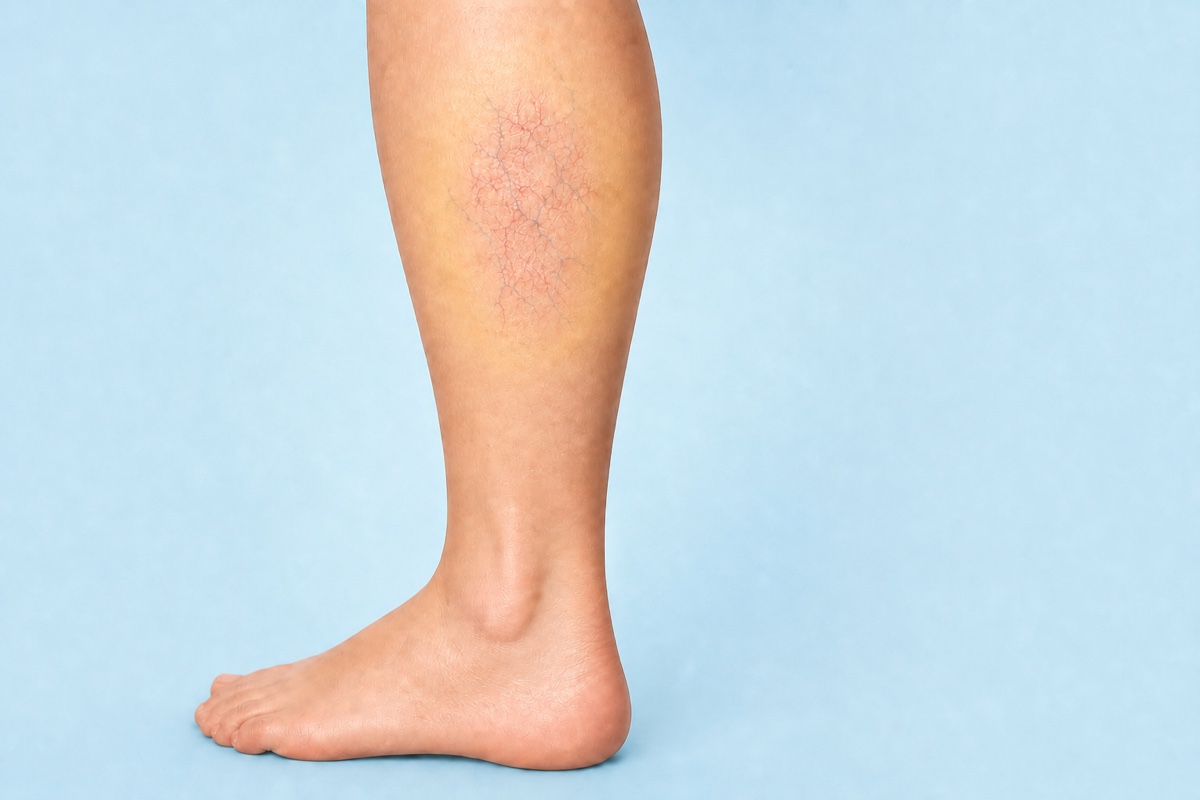
Spider veins are tiny, dilated blood vessels near the surface of the skin that form thin lines or web-like clusters.
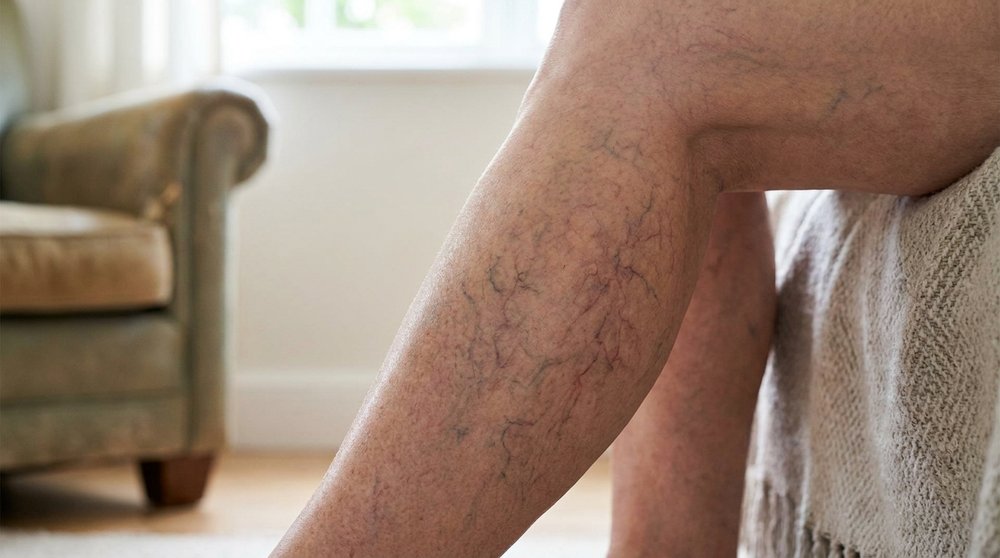
They develop when small veins widen and become visible, and they are usually a cosmetic concern rather than a health problem. Common contributors include family history, standing for long periods, pregnancy, hormones, and age.
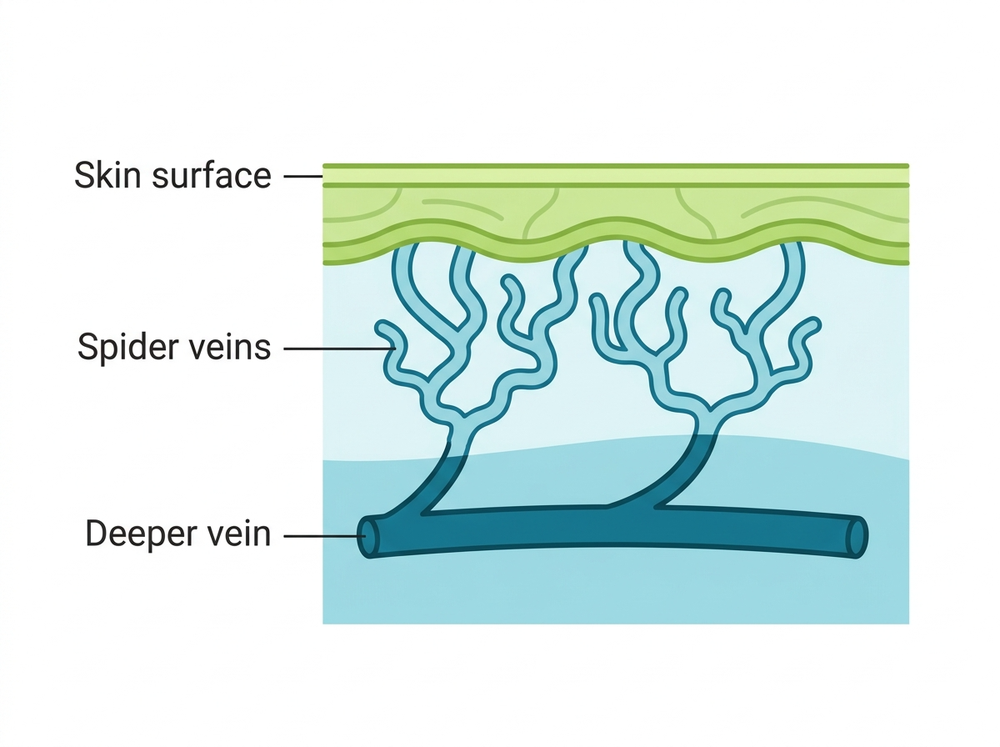
Sometimes spider veins appear alongside larger varicose veins or chronic venous insufficiency. If you also have aching, heaviness, or swelling, it is worth having the deeper veins checked, because treating the underlying issue gives the best long-term result.
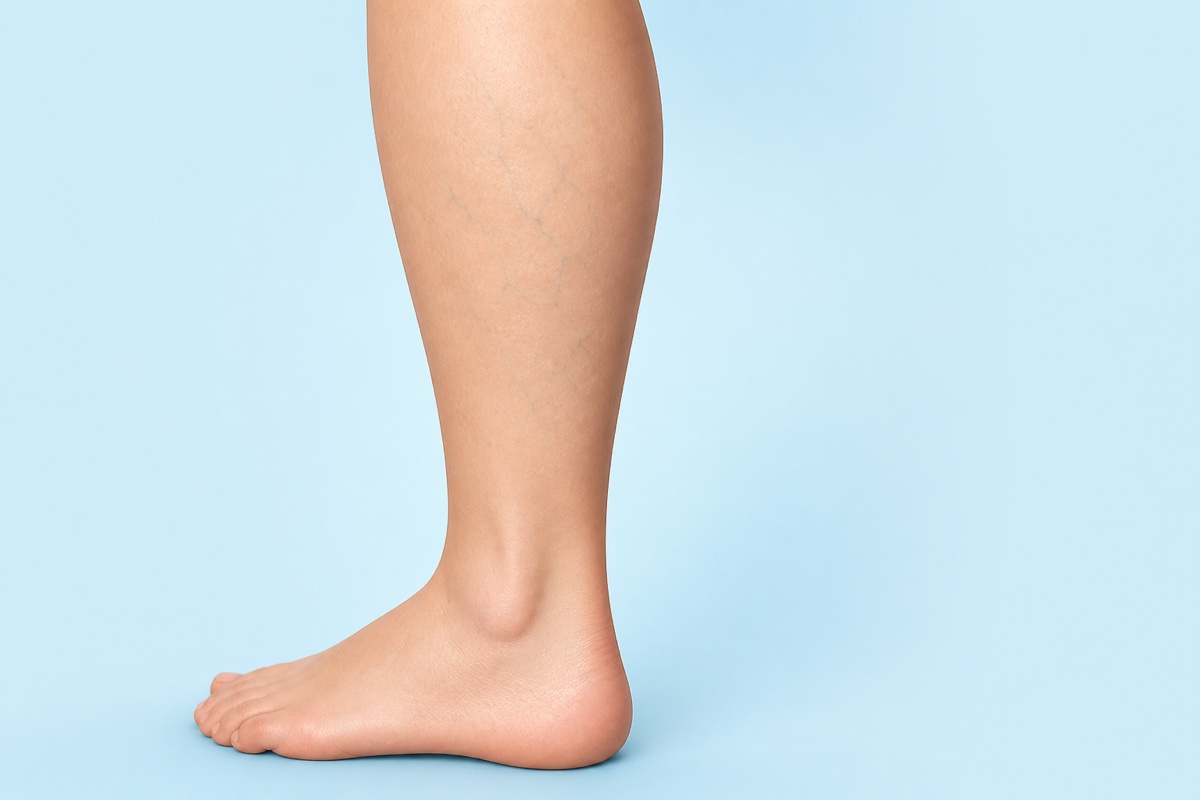
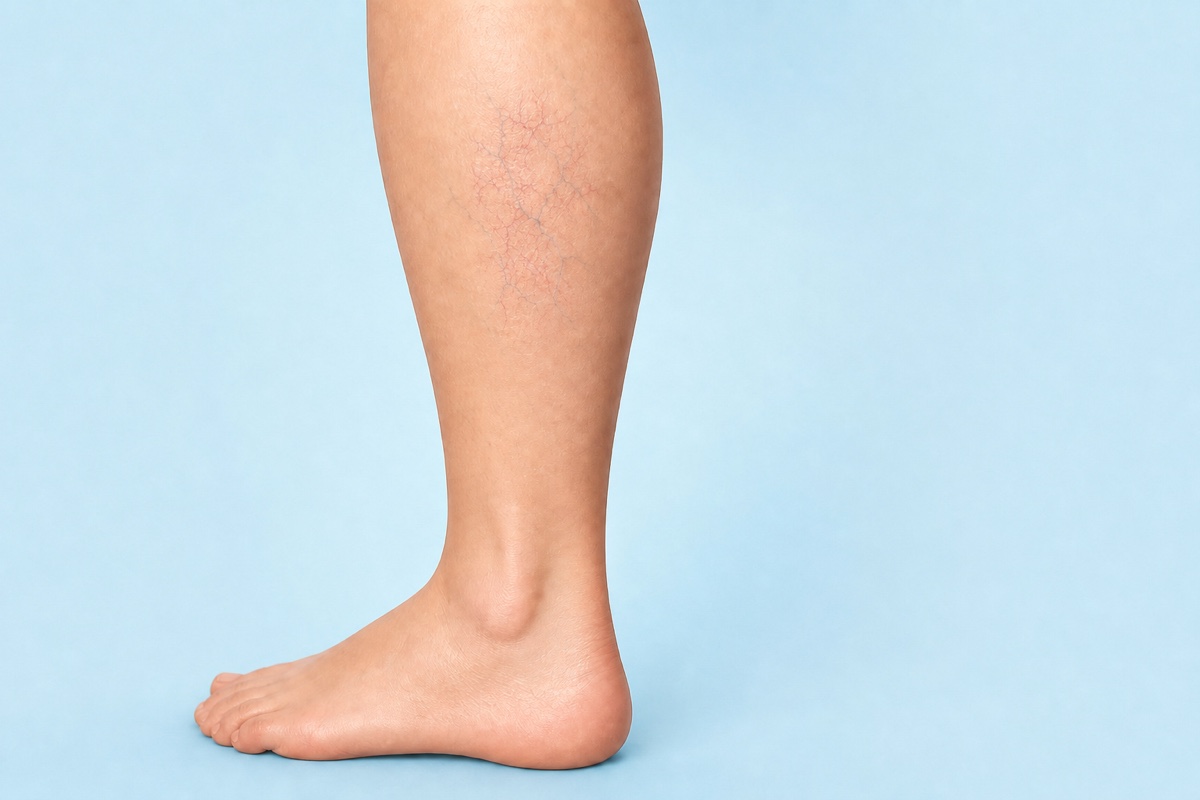
How small surface veins become visible
See how selected tiny vessels near the skin may widen into a fine visible pattern.
When to have veins checked
Spider veins themselves are rarely urgent, but see a specialist if you also have:
- Aching, heaviness, or swelling in the legs
- Bulging varicose veins
- Skin darkening or a sore near the ankle
- Bleeding from a surface vein
- Sudden swelling or pain in one leg (possible clot)
- Itching or burning over the veins
How spider veins are treated
Spider veins respond well to simple, in-office treatments. A specialist will first check whether larger veins are involved, then recommend options such as:
- Sclerotherapy: a tiny injection that closes the vein so it fades over time.
- Surface laser: targets small veins through the skin.
- Treating underlying reflux: if deeper veins are the source, addressing them first improves results.
These treatments are quick, done in an office, and usually need little or no downtime.
How Help My Legs works
Tell us your symptoms
Answer a few quick questions about what you are feeling and where.
We match you locally
We connect you with a qualified leg and vascular specialist near your ZIP code.
You get seen
The office reaches out to schedule your visit. No obligation, no pressure.
Do spider veins cause symptoms?
Most spider veins are painless. Some people notice aching or burning over a cluster, especially after long periods of standing. If your legs also swell, cramp, or feel heavy, that usually points to the larger veins underneath rather than these surface vessels.
Questions people ask about spider veins
Are spider veins dangerous?
Usually not. They are most often a cosmetic issue. But if they come with aching, heaviness, swelling, or larger bulging veins, it is worth having the deeper veins checked.
What causes spider veins?
They come from small veins widening near the skin surface. Family history, standing for long periods, pregnancy, hormones, and age all play a role.
Can spider veins be removed?
Yes. In-office treatments like sclerotherapy and surface laser can fade or close them, usually with little downtime.
Do spider veins mean I have vein disease?
Not always, but they can be a sign of underlying vein reflux, especially if you also have symptoms. A quick ultrasound can tell.
Bothered by spider veins?
Get matched with a specialist near you who can check your veins and talk through your options.
Find a Specialist Near YouLast updated September 2026