Understanding Nerve Compression
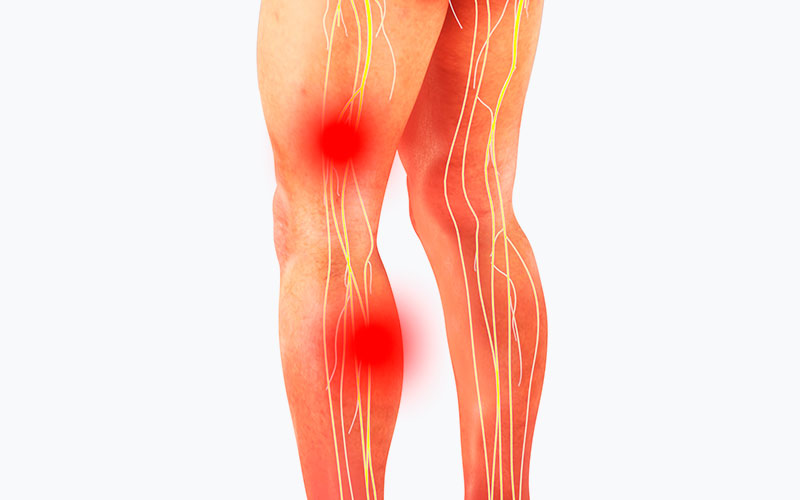
Nerve compression occurs when a nerve is placed under pressure by surrounding tissues such as muscles, bones, or blood vessels. This pressure can interfere with the nerve’s ability to send signals properly, leading to symptoms such as pain, tingling, numbness, or weakness in the legs or feet.
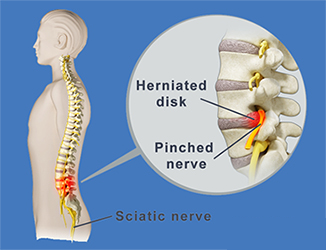
In some cases, nerve compression may develop gradually due to posture, repetitive movements, or structural changes in the body. When nerves that travel through the lower back or legs are affected, symptoms may appear in the legs or feet.
Understanding how nerve compression affects the body can help identify symptoms early and guide proper evaluation and care.